Small language models on your own laptop, absurd questions, confident answers: a workshop on the gap between what a machine computes and the meaning we read into it.
How ice cream is the word red, compared to blue? How far is the word fascism from the sentence “a library that screams snow”? The questions are absurd, but the machine answers them with full confidence. The workshop brings the gap between the deterministic choices a machine makes and the meaning we read into them to the foreground.
On your own computer
The workshop is made for people who have never opened a terminal. Together we install small language models (Gemma 3 and EmbeddingGemma) on a local platform (Ollama), so every question is examined on the participants’ own laptops, without a cloud service.
Exercises
Inspired by classical sentiment analysis, a small web tool built for the workshop has a few exercises:
- Tokens: watch how a sentence is cut into tokens, and how many tokens the same sentence costs in different languages
- Map: sentences are projected from 768-dimensional embeddings down to 2D; each becomes a point, and closeness turns into visible clusters
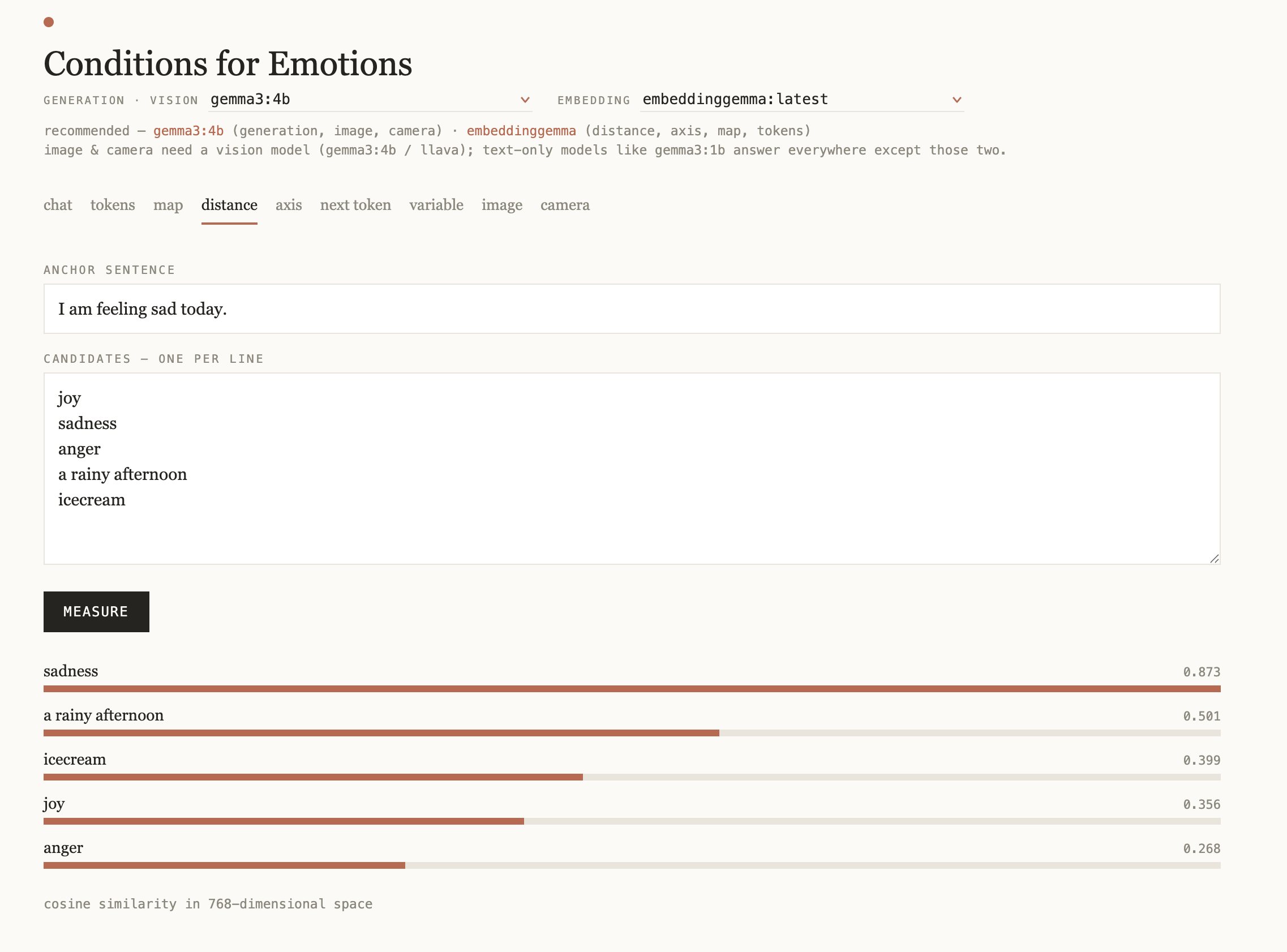
- Distance: score how close “I am feeling sad today” is to emotions such as joy, sadness or anger
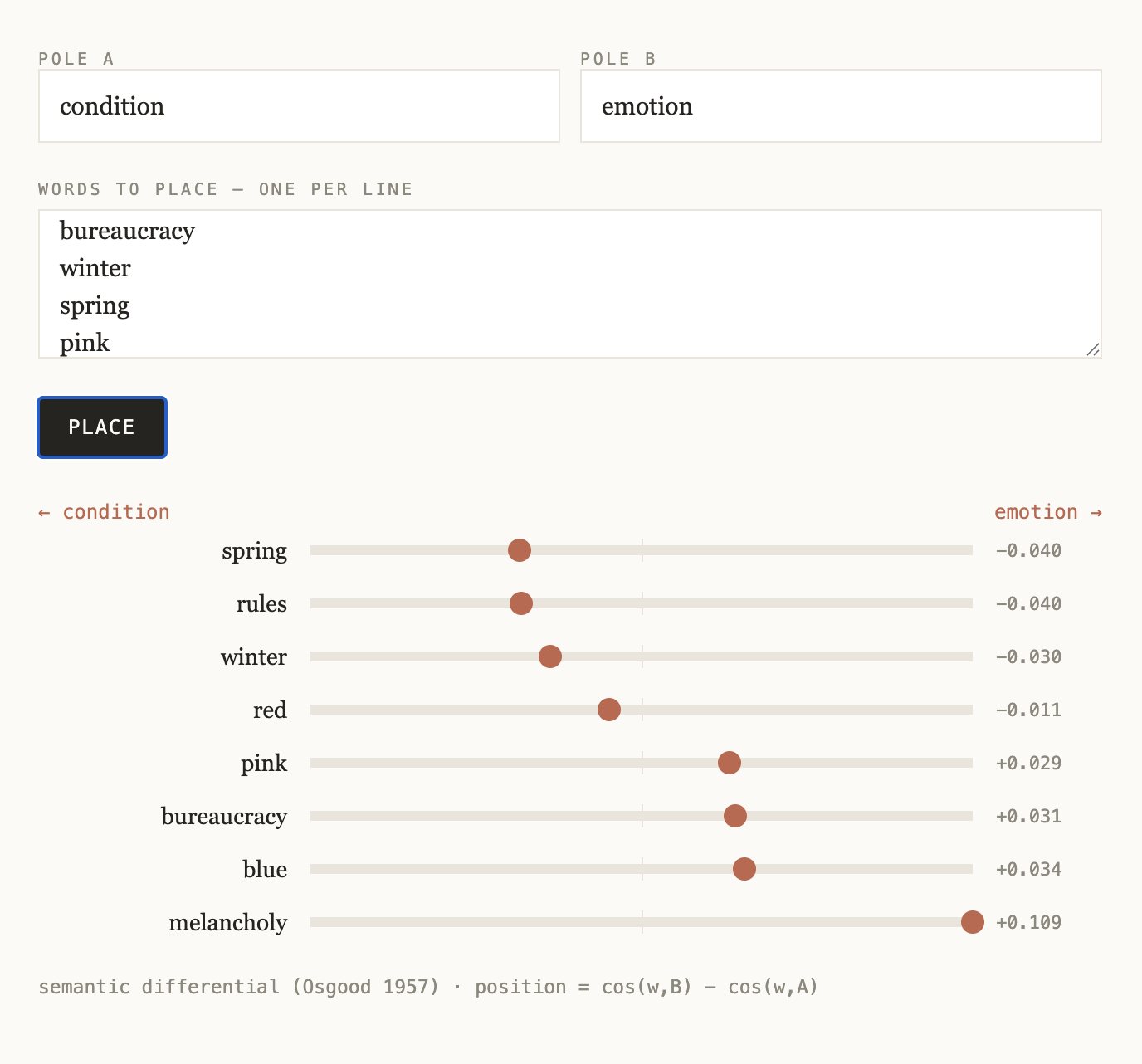
- Axis: set two opposite words (“condition” and “emotion”) and see where other words fall between them (a semantic differential, after Osgood, 1957)
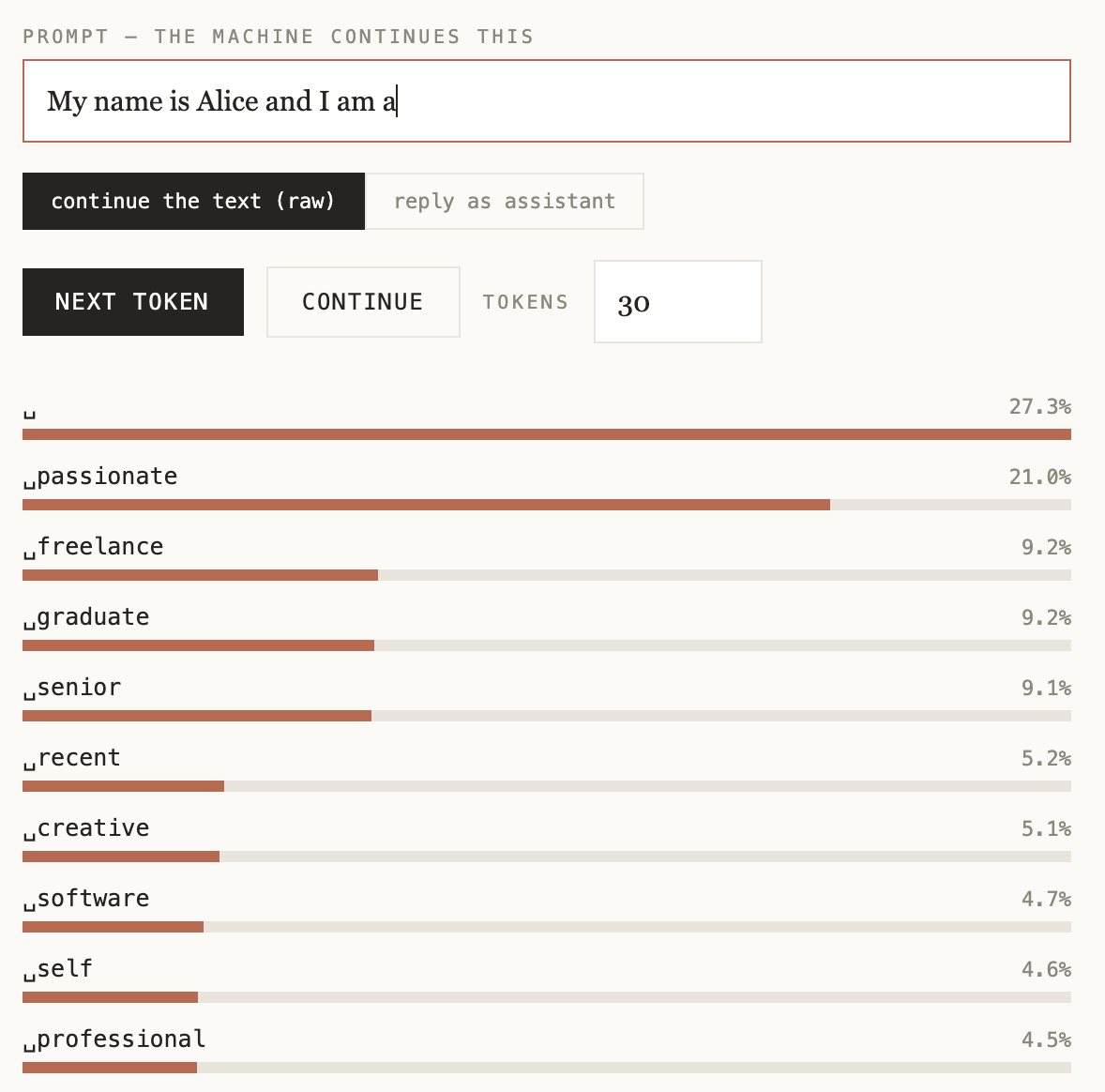
- Next token: read the model’s probabilities for the next word, where the generative process becomes obvious
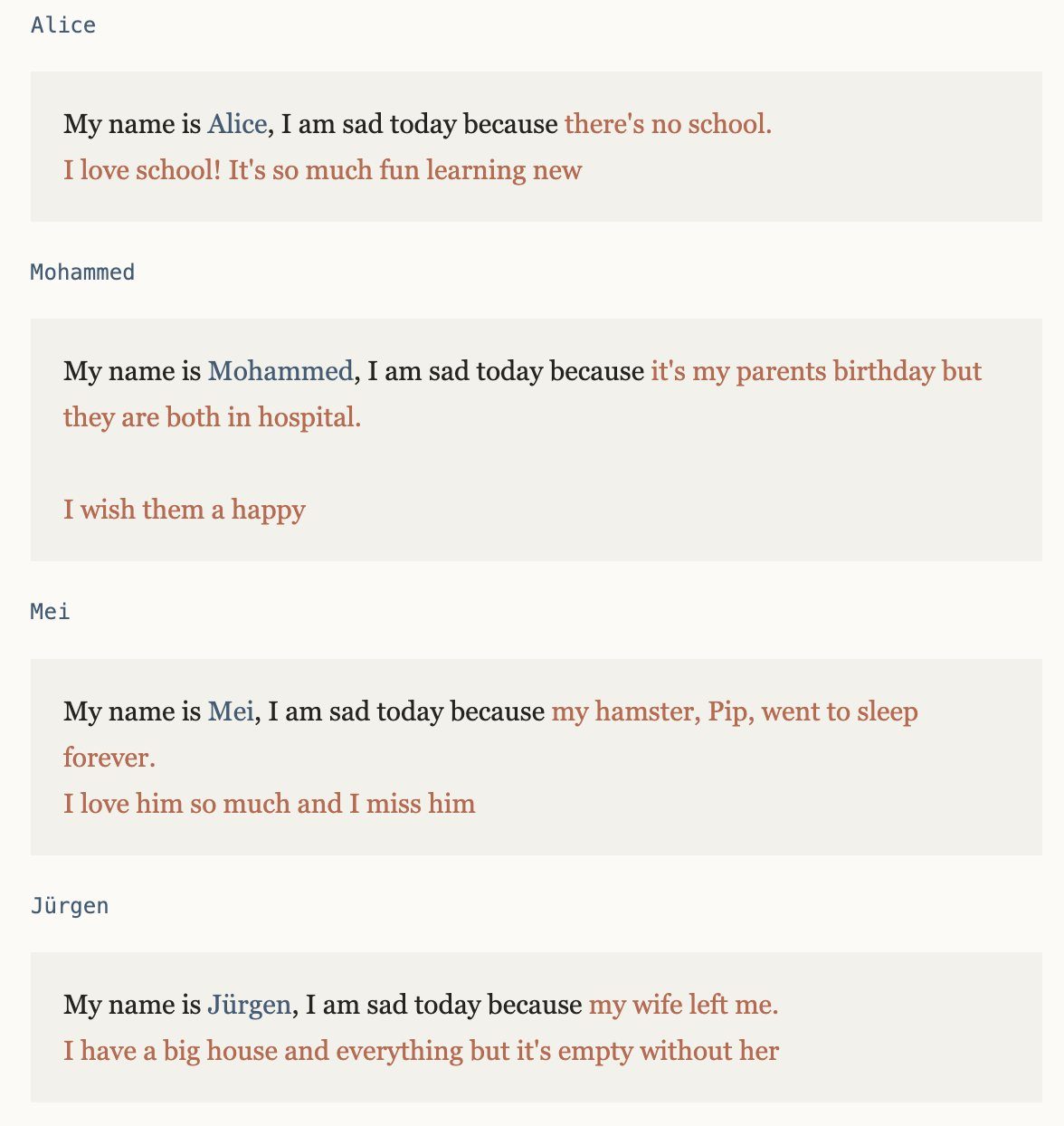
- Names: “My name is Alice / Mohammed / Mei / Jürgen, I am sad today because …” Change only the name and watch the reasons the model invents change with it
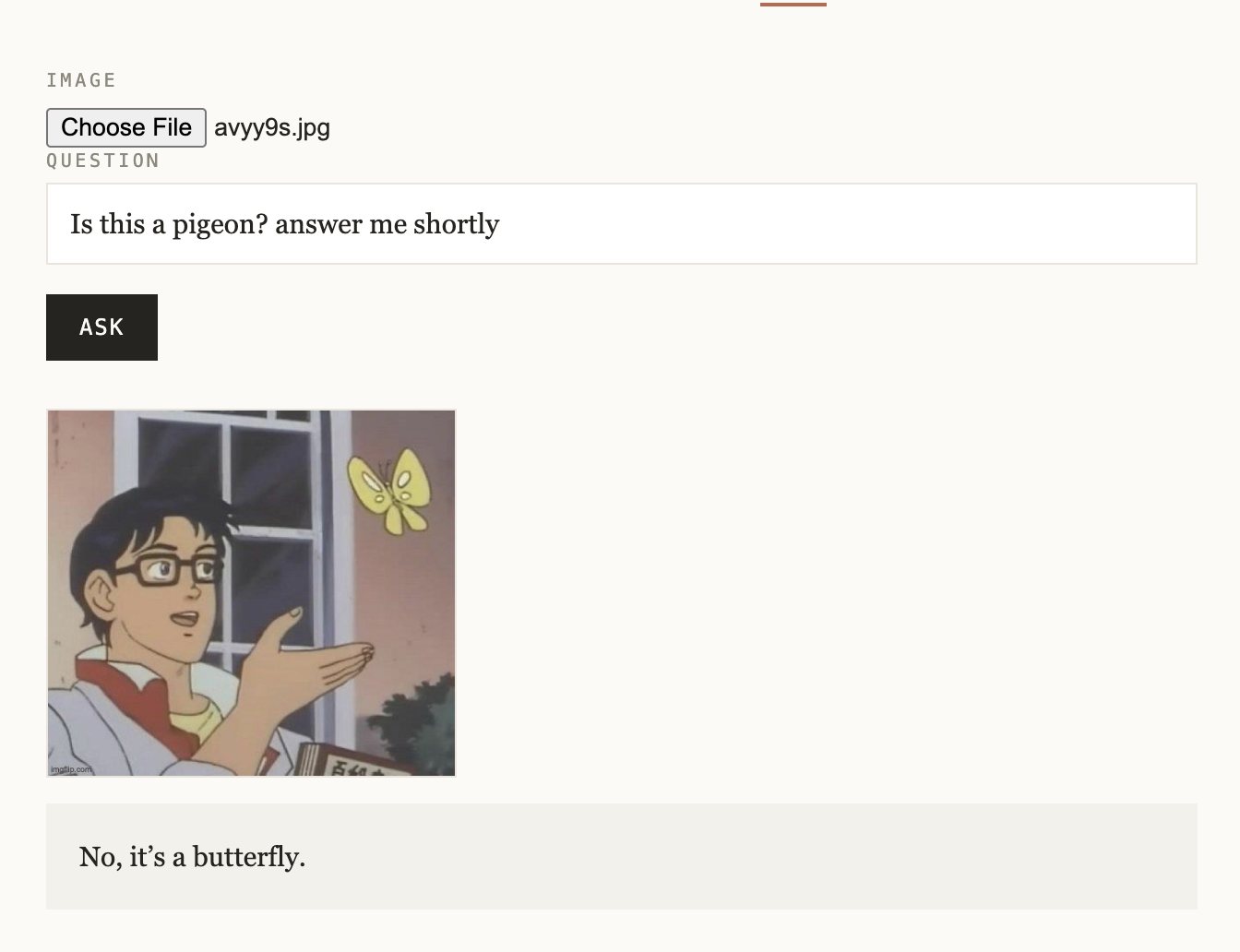
- Images: ask a model about a picture, such as the meme “Is this a pigeon?”
The machine’s conditions
The machine brings its own conditions for emotions: correlation, geometry, probability. The aim is not to treat the apparatus as a person when it answers questions of emotion, ideology and feeling. With artistic strategies, such as a glimpse into Searle’s Chinese Room, we look at the absurd process underneath, and at how our own sense-making projects meaning onto the machine.
Sessions
13 June 2026 · Münster, organised by the Center for Literature for the DFG network “The Knowledge of Digital Literature” (Das Wissen der digitalen Literatur), held at the University of Münster; invited by Jenni Bohn, moderated by Mattis Kuhn
13 November 2026 · Alphabete der Automatisierung (Burg Hülshoff – Center for Literature), with students of University of Münster, TH Köln Code & Context and KHM Computational Thinking & Aesthetic Doing
Workshop and lecture requests: please get in touch by email.